Can a General Dentist Receive Endodontic Training to Perform Periodontic Care?
Thinking you are in need of endodontic services? Both periodontists and endodontists are types of dental professionals who focus on treating patients who are experiencing dental problems that are related to their gums and other supporting structures in or near the teeth.
About general dentists
Learning more about the endodontic training necessary to become a periodontist allows you to understand more about this type of dental professional. Becoming a general dentist requires one to attend a four-year dental program in order to first earn a degree in dental medicine. While many dentists will take their degree and open up their own general dentistry practice, many will also choose to undergo the additional dental education that allows them to focus on a specific area of dentistry. So yes, a general dentist can undergo endodontic training in order to provide their patients with periodontic care services.
The six specific areas of dentistry that a general dentist can choose to focus on are becoming a periodontist, an orthodontist, a pediatric dentist, an oral and maxillofacial surgeon, a prosthodontist and an endodontist.
Who should see an endodontist?
Patients should see an endodontist when there is a chance that they may lose one or more of their teeth. The focus of this type of dental professional is to save their patient's teeth, which often requires them to perform root canals. While a general dentist can also perform a root canal, endodontists are specifically trained in performing difficult or very complex root canal procedures. They also treat traumatic dental injuries and can perform endodontic surgeries.
According to the American Association of Endodontists, endodontists specialize in saving teeth and are committed to helping dental patients maintain their natural smiles.
Who should see a periodontist?
Patients who have been diagnosed with more serious signs of periodontal disease should be seen by an experienced periodontist. When dental patients are diagnosed with moderate to severe periodontal disease, it is essential that they receive the endodontic treatment they need in order to improve their overall oral health. The fact that periodontal disease is directly connected to one’s overall health makes it essential for anyone who is living with periodontal disease to seek treatment from an experienced periodontist as soon as possible.
According to the American Dental Association, a periodontist is a dentist who specializes in the prevention, diagnosis and treatment of periodontal disease and the placement of dental implants.
About root canal therapy
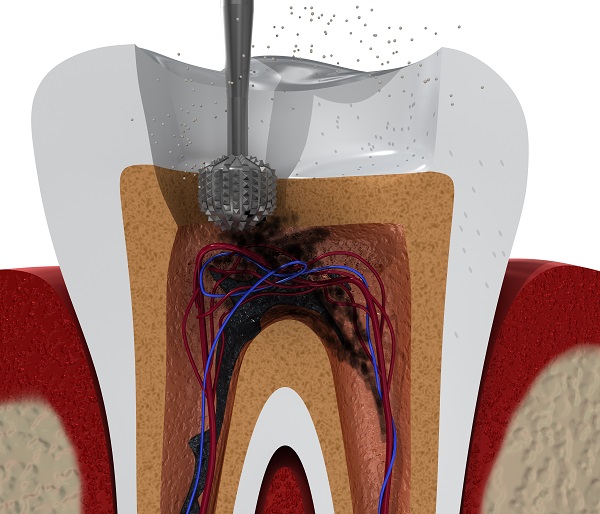
Root canal therapy is a common procedure performed when a dental patient has a tooth infection that is so bad that the infection has entered the tooth. Once infection enters a tooth, a root canal is the most common type of procedure performed, as it can save the tooth from dying. Once a tooth dies, it can no longer perform the job it is supposed to do and therefore needs to be extracted from the mouth.
Do you need to make an endodontic appointment?
If you are in need of endodontic dental services, understand that the sooner you make an appointment for treatment, the better. Now that you understand that a general dentist can further their training and education in order to become a periodontist, you can feel even more confident about undergoing any necessary endodontic treatments to improve your good oral health.
Request an appointment here: https://www.gatewaydental.org or call Gateway Dental Dr. William Swann DDS at (301) 485-7492 for an appointment in our Bowie office.
Check out what others are saying about our dental services on Yelp: Endodontic in Bowie, MD.
Recent Posts
Teeth whitening can help brighten natural enamel when stains come from foods, drinks, aging, or normal daily habits. Dentist-supervised at-home treatment uses custom trays and whitening gel to create a more controlled process than many store-bought products. However, an in-office visit is still necessary, as our dentist first checks the teeth, gums, and existing dental…
Dental veneers can transform a smile by covering stains, small chips, uneven edges, or minor gaps. These thin porcelain shells are designed to blend with natural teeth, creating a smoother, more balanced look. Although they are strong, they still need the right daily care to stay polished and attractive. Our dentist seeks to help patients…
Your Bowie family dentist plays an important role in your oral health because they help you prevent cavities and gum disease while providing you with tips on how to improve your oral health. Even if you already practice good oral hygiene, these tips will help improve your oral health.Practicing good oral hygiene means you have…
Dental implants provide a reliable, long-term solution for replacing missing teeth, but not every patient qualifies for treatment immediately. Several oral health and medical factors can affect whether implant placement is appropriate at the time of evaluation. The goal of a general dentist is to identify these concerns and develop a treatment plan that improves…