How Tooth Decay Puts the Entire Body at Risk
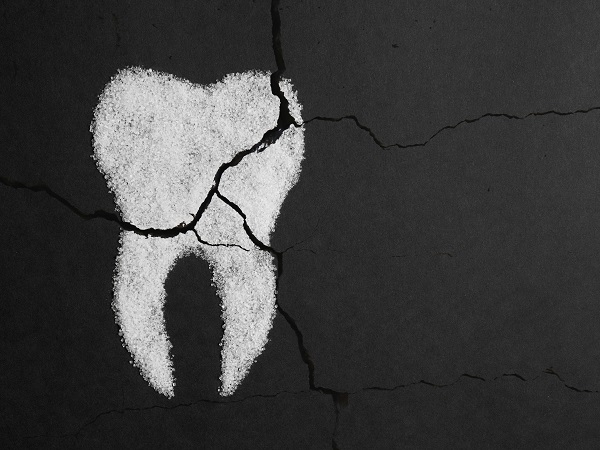
Tooth decay does more damage than simply breaking down your teeth. It can lead to infections that can spread to the other parts of the body, it can increase your risk of heart disease and it can weaken your immune system. Good oral hygiene and biannual trips to the dentist are essential when it comes to keeping tooth decay away.
How tooth decay weakens your body
Tooth decay is caused by the acids created by bacteria in the mouth. These microorganisms coat teeth with a sticky film called plaque that is made up of acids that eat away at teeth. Plaque on teeth leads to decay, and it leads to gum disease when it gets beneath the gums. Here’s how teeth rotting away weakens your body:
1. Weakens your immune system
Having poor oral hygiene leads to bacteria building up in the mouth. These germs can make their way into the bloodstream, and from there, any other part of the body. This weakens the immune system, leading to fatigue and an increased risk of falling ill.
2. Higher risk of heart disease
Studies have linked the type of bacteria that lead to periodontal disease and tooth decay to heart disease. As is the case with gum disease, heart disease is caused by plaque build-up. The condition occurs when plaque inside arteries builds up to the point it begins to disrupts or blocks blood flow, potentially causing a heart attack.
3. Worsens existing health issues
Health conditions like diabetes, osteoporosis and HIV/AIDS can be worsened by unhealthy levels of bacteria in the mouth. The bacteria invasion leads to a weakened immune system, and that makes many chronic conditions worse. Improving oral hygiene can help to reduce the risk of tooth decay and gum disease weakening the immune system.
4. Increased self-consciousness
Tooth decay ruins the appearance of teeth and that can lead to a person being reluctant to smile due to fears of being judged for the appearance of their teeth. It is a well-founded fear given the fact one of the first things people notice during social interactions is the appearance of a person’s smile.
5. Can lead to infection
Tooth decay often starts as a small cavity developing on a tooth. The cavity expands until it reaches the pulp chamber when left untreated. The pulp chamber is the inner chamber of a tooth and it contains connective tissues, blood vessels and nerves. The pulp chamber is sealed off from the rest of a tooth, but it can be opened up by decay or damage to the tooth.
Bacteria will eventually get to exposed soft tissues in the pulp chamber when the decay is left untreated. This leads to an infection, which leads to excruciating toothaches. A tooth infection can spread to areas like the brain where it can be life-threatening.
We can fix your decaying teeth
Call or visit our Bowie clinic to set up an appointment with our dentist if you have decayed teeth that need to be treated.
Request an appointment here: https://www.gatewaydental.org or call Gateway Dental Dr. William Swann DDS at (301) 485-7492 for an appointment in our Bowie office.
Check out what others are saying about our dental services on Yelp: Tooth Decay in Bowie, MD.
Recent Posts
Teeth whitening can help brighten natural enamel when stains come from foods, drinks, aging, or normal daily habits. Dentist-supervised at-home treatment uses custom trays and whitening gel to create a more controlled process than many store-bought products. However, an in-office visit is still necessary, as our dentist first checks the teeth, gums, and existing dental…
Dental veneers can transform a smile by covering stains, small chips, uneven edges, or minor gaps. These thin porcelain shells are designed to blend with natural teeth, creating a smoother, more balanced look. Although they are strong, they still need the right daily care to stay polished and attractive. Our dentist seeks to help patients…
Your Bowie family dentist plays an important role in your oral health because they help you prevent cavities and gum disease while providing you with tips on how to improve your oral health. Even if you already practice good oral hygiene, these tips will help improve your oral health.Practicing good oral hygiene means you have…
Dental implants provide a reliable, long-term solution for replacing missing teeth, but not every patient qualifies for treatment immediately. Several oral health and medical factors can affect whether implant placement is appropriate at the time of evaluation. The goal of a general dentist is to identify these concerns and develop a treatment plan that improves…